Pulling the Plug on Purpose: The Uncomfortable Truth Behind Why Profitable Apps Get Killed
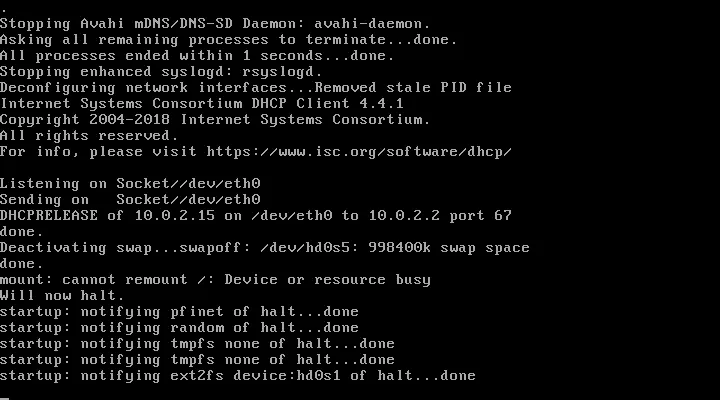
Photo: Software: Debian developers Screenshot: VulcanSphere, GPL, via Wikimedia Commons
There's a particular kind of grief that hits when you open your phone one morning and find that an app you've used for years — one that worked perfectly fine, thank you very much — is simply gone. No warning. No graceful wind-down. Just a tombstone notification and a refund policy buried in the FAQ.
What stings even more? A lot of these apps were making money. Good money. And their developers still chose to pull the plug.
This isn't a story about failed startups or underfunded side projects. It's about a quieter, more deliberate phenomenon: profitable apps being intentionally retired by the people who built them. It's happening more often than most users realize, and the reasons behind it say a lot about where app development is headed.
When Success Becomes a Trap
Here's a scenario that plays out more than you'd think. A developer launches an app, grinds through the early chaos, and eventually hits product-market fit. Downloads climb. Revenue follows. By any external measure, the thing is a success.
But success in the App Store or Google Play isn't the same as success in a vacuum. Maintaining a live app is a relentless, resource-intensive commitment. Every iOS or Android update is a potential breaking point. Every new device size, every API deprecation, every privacy framework change — all of it lands squarely on the developer's plate.
For a solo developer or a small team, this treadmill becomes unsustainable fast. The app is generating revenue, sure, but that revenue is increasingly consumed by maintenance costs, customer support overhead, and the ever-present threat of getting dinged in app store rankings if update cadence slips. What started as passive income starts feeling like a second full-time job nobody asked for.
Industry observers have started calling this "maintenance debt spiral" — and it's one of the most underreported reasons healthy apps disappear.
The Platform Problem No One Talks About
Apple and Google hold enormous leverage over every developer operating in their ecosystems, and in 2024, that leverage has never been more consequential. Policy changes that once arrived every few years now feel like a quarterly event.
Take App Tracking Transparency, Apple's framework that required apps to ask users for permission before tracking them across other apps. Legitimate tool for user privacy? Absolutely. Catastrophic for developers whose entire monetization model was built on behavioral ad targeting? Also yes.
Some apps didn't survive that shift. Not because they lost users, but because the revenue model that made them viable evaporated almost overnight. Developers who'd spent years building something profitable suddenly found themselves operating at a loss — and the calculus on continuing simply didn't add up.
Google Play has its own version of this story. Repeated changes to billing policies, subscription handling requirements, and content moderation guidelines have collectively raised the cost and complexity of staying compliant. For developers already stretched thin, one major policy overhaul can be the thing that tips the decision from "keep running this" to "time to move on."
Acquisition Burnout: The Post-Buyout Graveyard
Then there's the acquisition angle — and this one's particularly fascinating.
A significant number of apps that get deliberately shut down weren't killed by their original creators. They were killed by the companies that bought them. The pattern is almost predictable at this point: a scrappy app gains traction, a larger player acquires it (often for the user base or the underlying technology), and then quietly sunsets it once those assets have been absorbed.
Remember Sunrise Calendar? Tens of millions of users, beloved design, genuinely excellent product. Microsoft acquired it in 2015, harvested what it needed for Outlook, and shut it down within two years. Or Wunderlist, the task management app that Todoist users still bring up with a kind of nostalgic resentment — Microsoft again, folded into To Do, gone by 2020.
This isn't unique to Microsoft. It's a playbook used across the industry. The app itself becomes collateral. The acquisition isn't really about preserving the product — it's about acquiring talent, IP, or market share. Users are just along for the ride until they're not.
The Subscription Ceiling and the Freemium Trap
Another pressure point worth examining: the subscription economy has hit a ceiling with consumers, and developers are feeling it.
For several years, converting free apps to subscription models was treated as a near-guaranteed revenue upgrade. Users grumbled but paid. Then something shifted. Subscription fatigue became real and measurable. App stores started surfacing negative reviews more prominently when apps made aggressive monetization pivots. Users began abandoning apps at higher rates the moment a paywall appeared.
This created a brutal squeeze for developers sitting in the middle — too dependent on subscriptions to survive on one-time purchases, but facing user revolt every time they tried to raise prices or tighten free tiers. Some responded by innovating. Others did the math and decided their energy was better spent building something new rather than defending a monetization model that was losing ground.
What This Means for the Rest of Us
For everyday users, the practical takeaway here is a little uncomfortable: the apps you love most right now are not guaranteed to exist in five years, regardless of how popular or profitable they appear.
That's not cynicism — it's just the reality of how app economics work in 2024. The forces that drive developers away from their own successful products are structural, not personal. Platform policy, acquisition dynamics, maintenance costs, monetization pressure — these aren't problems that get solved by user loyalty or good reviews.
The smarter move is to be deliberate about dependency. If an app holds critical data — notes, health logs, financial records, creative work — have an export strategy. Know where your data lives and whether you can get it out cleanly if the app disappears tomorrow.
And if you're following a developer or a small studio whose work you genuinely value? Pay attention to the signals. Slowing update cadence, shifting to a "maintenance mode" communication style, or sudden silence on social channels — these are often the early indicators that a wind-down is coming, even if no one's announced it yet.
The Bigger Picture
There's something almost poetic — if a little bleak — about the idea that success in the app economy doesn't guarantee survival. The market rewards growth, not longevity. Acquisition culture rewards extraction, not preservation. Platform policies reward compliance over creativity.
Developers who build something genuinely good are still operating inside a system that makes it very hard to keep that thing alive indefinitely. And until the economics change — or until platform holders take a more active role in sustainable developer support — the app graveyard is going to keep filling up with products that had every reason to survive.
For users, that means staying informed, staying skeptical, and never getting too comfortable with the assumption that your favorite app will always be there when you need it.